|
The Learning Services Department provides a range of supports for curriculum and instruction, assessment and program planning for all students. While services are provided K-12, the primary focus of most of the base groups within the department is on elementary, either because of the fact that in elementary generalist teachers are dealing with a broad range of curriculum (e.g., Coordinators and Consultants), or because the schools are smaller and have to share specialist services (e.g., Area Counsellors), or because there is an intention to provide early assessment and intervention (e.g., Speech and Language Pathologists, Educational Psychologists, etc.).
Some of the ways we work:
- Co-planning or co-teaching with teachers
- Supporting school staffs and parents
- Providing school-based professional development
- Facilitating district-level professional development
- Contributing members of local and provincial committees
- Ongoing project support
Following is a brief overview of the department by base group in decreasing order of size.
Speech and Language Pathologists
Speech and Language Pathologists are experts in communication disorders and work with School-Based Teams, classroom teachers, educational assistants, other members of the Learning Services Department, parents, and students to address a broad range of communication issues, including disorders in articulation, voice, fluency, language and social communication skills, learning difficulties, autism, and students who are non-verbal. The SLPs work toward the goal of maximizing participation and communication in the classroom. They provide the classroom teacher and appropriate SBT members with strategies to increase communication skills. The SLPs also serve as a bridge between the school and the Autism Team and the Inclusion Support Team. The Augmentative and Alternative Communication Consultant is a specialist SLP who supports teams working with students who are non verbal and/or require alternative
communication systems. SLPs work primarily in elementary schools but do provide consultative and assessment services for secondary students.
Area Counsellors
Area Counsellors provide counselling services to elementary schools and work with School-Based Teams, classroom teachers, students and parents to promote the social/emotional development of students through direct and indirect support. They also provide a liaison to community services and serve a vital role in crisis response. The Area Counsellor Team (1.8 FTE), which provides support for systemic behaviour programs to classrooms and schools, is included.
Coordinators and Consultants
The team of coordinators and consultants works in a fluid and non-categorical way that cannot be briefly stated. They provide an array of services at the district, school and community levels that include:
• coordinating district functions such as ESL reception and K intake, Learning Resource Acquisition, Multicultural Friendship Clubs, Counselling, Mentoring, Critical Thinking, Performance Standards, DISCOVER Learners’ Strengths, Autism services, French Immersion registrations, identification and preparation of Work Experience placements, or integration of ICT in curriculum;
• consulting with schools about individual students when additional expertise is required about things such as developmental disabilities, learning disabilities, giftedness, ESL, career programs, or challenging behaviors;
• organizing and providing professional development activities and information about resources for individual teachers, school staffs and parents within schools on topics of their choice such as literacy, numeracy, social responsibility and behaviour, instructional strategies, or technology.
Educational Psychologists
Educational Psychologists provide consultation to elementary and secondary School-Based Teams, and conduct psychoeducational assessments of individual students to assist with program planning by identifying learning strengths and needs. Assessments may also satisfy Ministry requirements (e.g., to satisfy audit requirements or provide documentation for adjudication requests), or requests from outside agencies. Educational Psychologists may also provide inservice on student assessment and interventions to Learning Resource Teachers and others.
Teachers of the Hearing Impaired
Teachers of the Hearing Impaired provide a consultative service to classroom teachers and direct support to students who are deaf or hard of hearing in areas of speech and language enhancement, auditory and cognitive development, academic tutoring and personal and social development.
First Nations Teachers
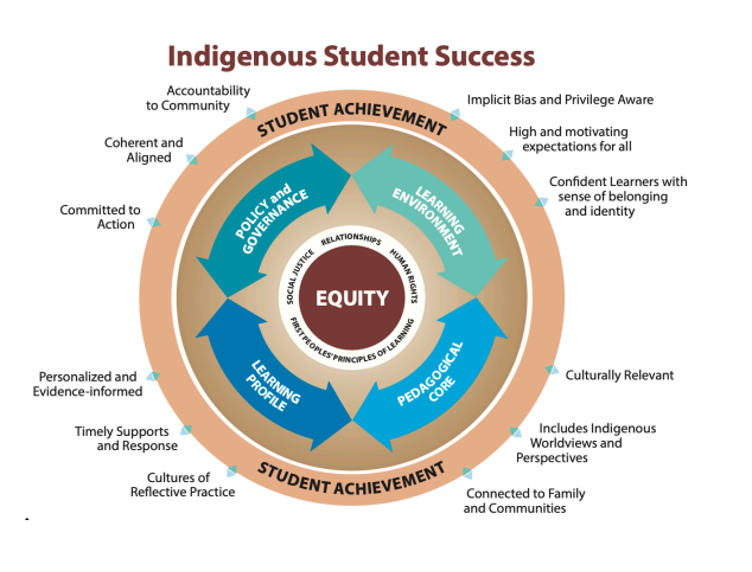
First Nations Teachers provide professional development and information to schools and classroom teachers with respect to First Nations students and their needs, provide classroom programs about First Nations peoples, run programs for First Nations students, and provide direct support to individuals as necessary. Their funding is targeted.
Community Outreach Teachers
Community Outreach Teachers work directly with students who have left school and require support in reconnecting to educational opportunities, and also assist with transition of students from Station Stretch and Lansdowne Alternate Program to secondary schools. Their work includes assessing learning and behavioural issues with students and their teams in preparation for successfully meeting their goals. This often involves other agencies such as MCFD, Mental Health and Probation. One teacher also serves on the Autism Team.
Teachers of the Visually Impaired
Teachers of the Visually Impaired provide a consultative service to classroom teachers and direct support to students who are blind or visually impaired. This may include academic support for the regular curriculum or instruction in braille, compensatory skills, use of optical aids (high and low-tech) or orientation and mobility skills.
Hospital/Homebound Teacher
The Hospital/Homebound Teacher assists secondary schools in providing support to students who are at home or in hospital for extended periods of time due to physical or mental illness by providing an adapted educational support under the direction of the student’s classroom teachers. Access to this service is through the school counsellor.
Work Experience Teacher
The Work Experience Teacher identifies and prepares community placements for Work Experience and liaises with apprenticeship students.
|